

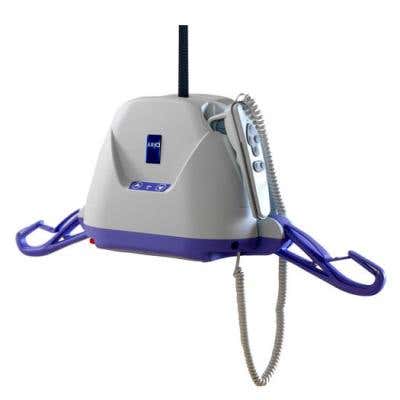
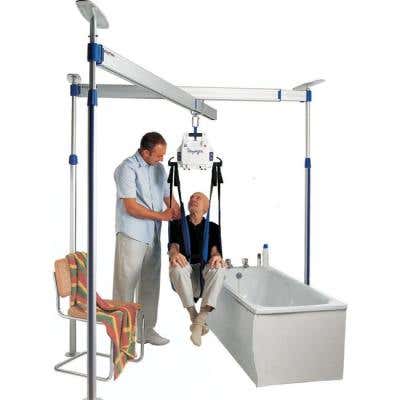
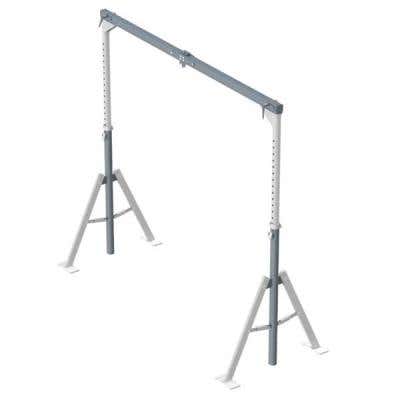
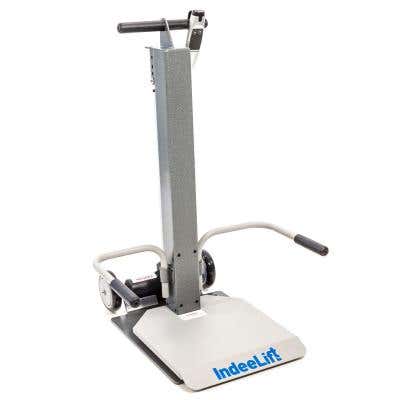

P-440 Ceiling Lift Package
- Package includes: P-440 portable ceiling lift motor, 13' castor free track and trolley
- Safety mechanisms: over-speed governor, built-in safety limits, slack strap sensor and emergency lowering
- Handle provides a connection point to allow for room-to-room transfers

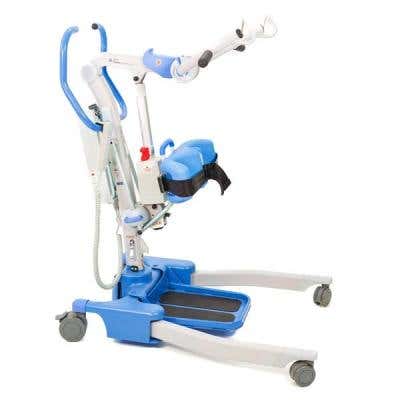
Molift Quick Raiser 205
- Slanting column lifts the user up and forwards to imitate a natural movement pattern
- Active Lifting Arm (4-point sling bar) and the RgoSling Active provides extra support when hoisting from sit to stand
- Automatic warning for (annual) periodic inspection and service

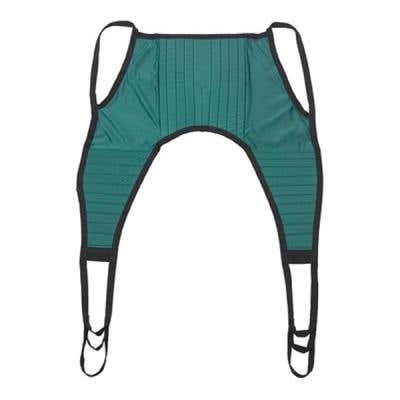
Divided Leg Standard
- Sling size and fit can vary significantly depending on patient weight and width
- Washing instructions are on each sling label. Washing temperatures should not exceed 185° F. Air-dry or dry at low temperatures
- All slings are constructed of nylon fabrics which can be used in wet or dry environments

Molift RgoSling Amputee HighBack
- Narrow opening for increased safety
- The leg parts are divided and have extra length for application under both legs
- Highback for additional support

ProCare BestLift PL600
- Spreader bar works with 4- or 6-Point Slings
- Low base height (4.7") provides maximum stability and fits under lower beds
- Includes overload and low-battery warning alarm

EvaDrive Motorized Floor Lift
- Intuitive control panel
- Forceful lithium battery
- Turnable back wheels

Mighty Lift
- 360 degree rotation
- Direct drive rotation
- Flip-up armrests

Handy Pillowlift + Airflo MK3
- Powered by the battery Airflo compressor
- Minimises moving and handling risks
- Portable, rolls up for travelling

Patient lifts are designed to make patient transfers safer. They're important tools in both home and professional care settings, and contribute to patient dignity, comfort, and safety.
Patient lifts are also important to caregiver safety. When transferring a patient manually, a caregiver must assume a large amount of the patient's weight. The caregiver is often put into unnatural positions simply due to logistics of the transfer, which further contributes to the risk of caregiver injury. Finally, the repetitive nature of caregiving and transferring patients means a high injury rate in caregivers. With back injuries being particularly common, the benefits of a patient lift cannot be overlooked.
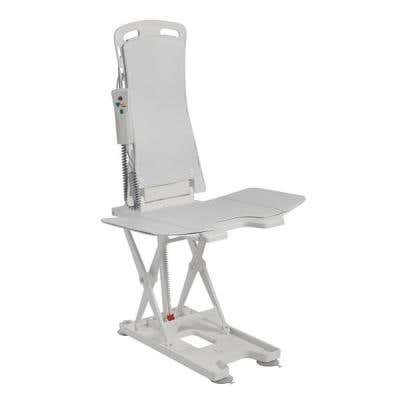
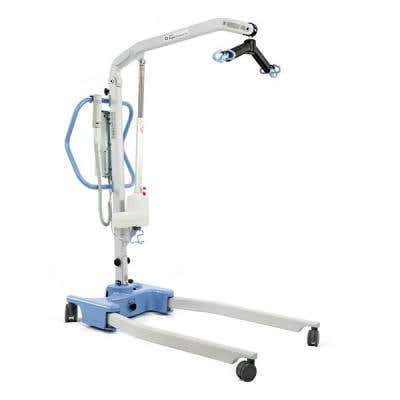
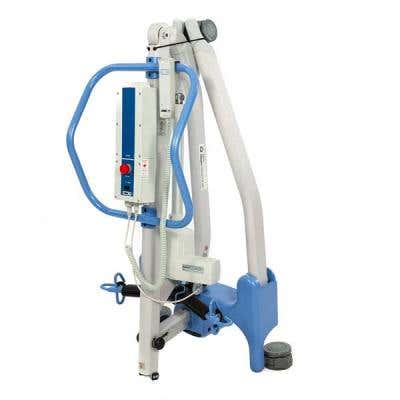
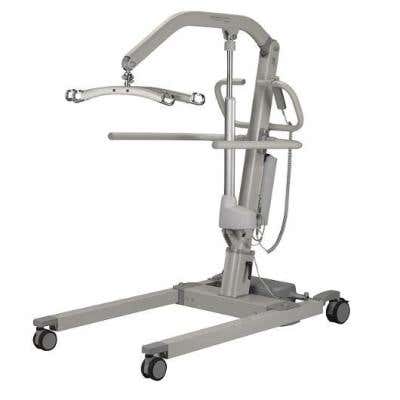
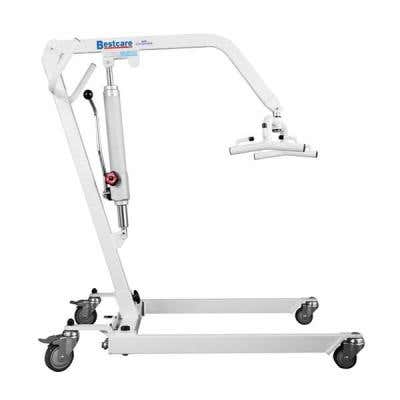
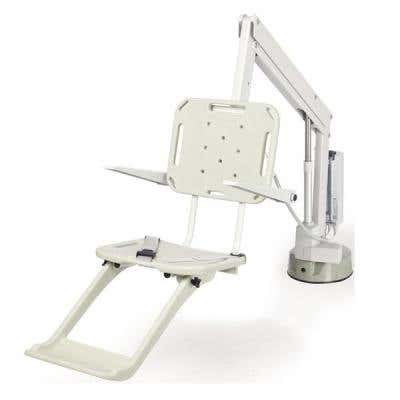
Lifts are designed to accommodate a wide range of demands and settings. Some lifts are portable and can be folded up for convenient storage. Others are designed to run on track systems installed in the ceiling overhead. Pool lifts and bath lifts provide specialized accommodations to make these particularly dangerous transfer settings safer. You will also find that some patient lifts include digital lift scales for multi-purpose use.
It's also important to consider that some lifts are powered, while others require manual control. Both powered and manual lifts make transfers easier for both the patient and the caregiver. Powered lifts take less physical effort on the caregiver's part, making them popular in professional care settings where caregivers must perform many patient transfers every day.
Most medical patient lifts operate in conjunction with a sling or harness, except for pool and bath lifts, which feature a seat. All lifts are designed to help support and stabilize the patient, but they must be used correctly in order to be safe.
Patient lift systems are a vital piece of equipment for many care settings. In hospitals, rehabilitation centers, retirement care centers, and even home care settings, patient lifts can improve the ease of caregiving and can help to make transfers easier, more comfortable, and safer for patients.