


P-440 Portable Ceiling Lift
- Integral full-width carry bar with unique contoured shape
- On-board controls
- Safety mechanisms: over-speed governor, built-in safety limits, slack strap sensor and emergency lowering

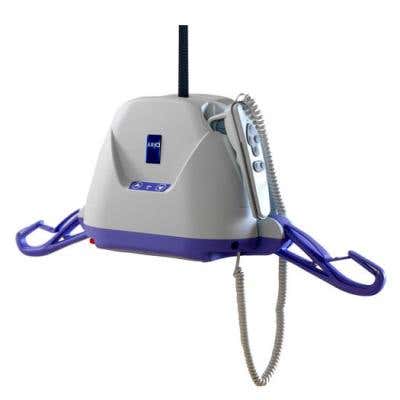
Altair Portable Overhead Lift
- Lightweight and portable
- Discreet and modern design
- 2, 3 or 4-point sling suspension

Likorall 200 With Charger & 350 Sling Bar (440 lbs)
- Electrical emergency lowering with easy-to-reach strap
- Lifting interval 180 cm (72") – handles lifts from the floor in most environments
- Can be equipped with a special carriage for planned transfers between different rooms

Molift Air 205
- Functional and well designed
- Light and flexible
- Easy to install

Molift Nomad
- With a unique curved design for comfortable and spacious position
- Low weight – high hoisting capacity
- Connects and disconnects easily – without any tools

Molift Air 200
- Small hoist - great lifting capacity
- Quick release device for trolley
- Silent and soft operation

Molift Air 300
- Small hoist - great lifting capacity
- Quick release device for trolley
- Silent and soft operation

Molift Air 350
- Small hoist - great lifting capacity
- Quick release device for trolley
- Silent and soft operation

Molift Air 500
- Small hoist - great lifting capacity
- Quick release device for trolley
- Silent and soft operation
Related Searches
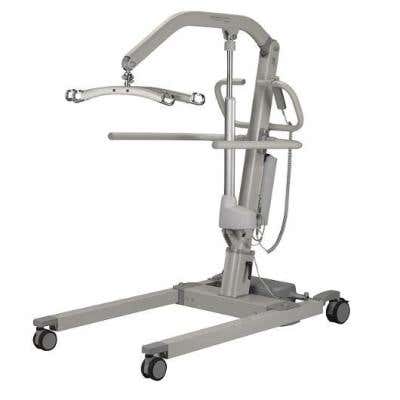
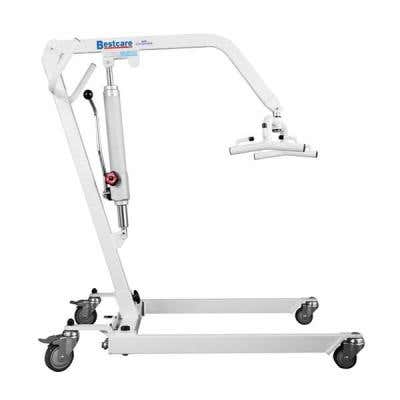
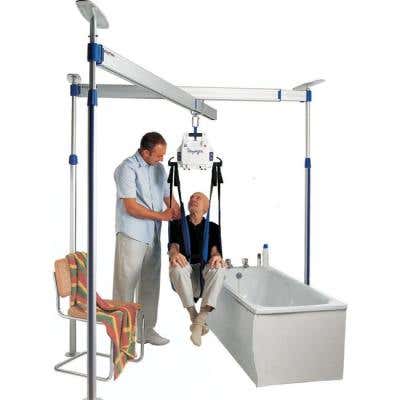
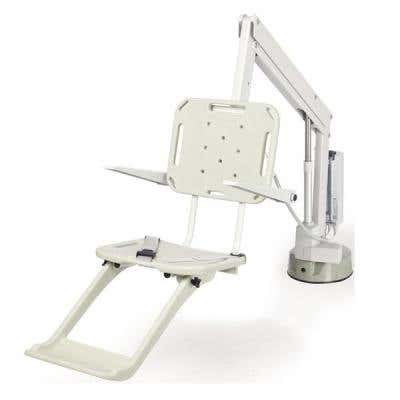
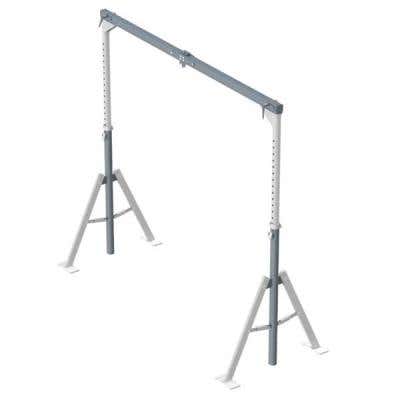
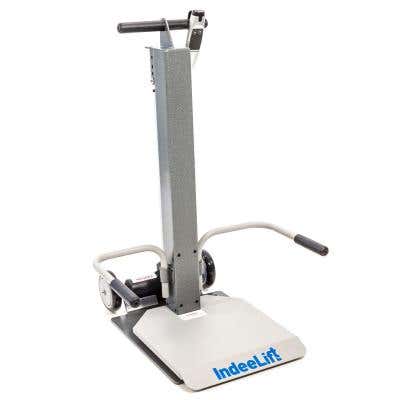
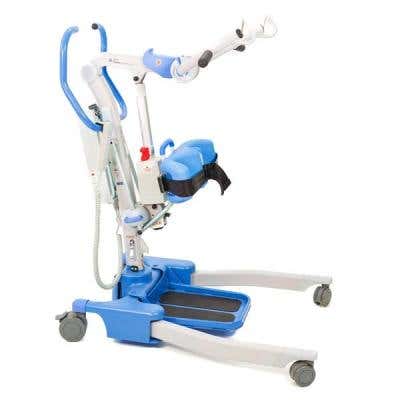
Overhead ceiling lifts are a safe and effective way to facilitate patient transfers. These patient lifts run along track systems which are mounted to the ceiling, creating a pre-determined travel path. Ceiling lifts are common in settings like hospitals and rehabilitation centers, thanks to their efficiency and ease of use.
Overhead ceiling lifts provide one major advantage over a floor lift: Overhead lifts take up far less space. Since overhead lifts are mounted to the ceiling, they take up no floor space, which is particularly advantageous in situations where you're working with a lot of furniture or medical equipment. When the lift is not in use, the sling can be removed or the lift can be positioned so that it's completely out of the way. This isn't as easy when you're working with a floor unit, which must be wheeled between furniture and equipment in order to be stored away in a corner of the room.
Overhead ceiling lifts are powered to minimize the physical demands of the caregiver. These lifts typically include a handheld control so that the caregiver can move around while still having control of the lift. Ceiling lifts operate on battery power, and many feature an LED indicator which alerts you when the battery power is low. Overhead ceiling lifts include an emergency stopping and lowering device in order to keep the patient safe in the case of a malfunction or power outage.
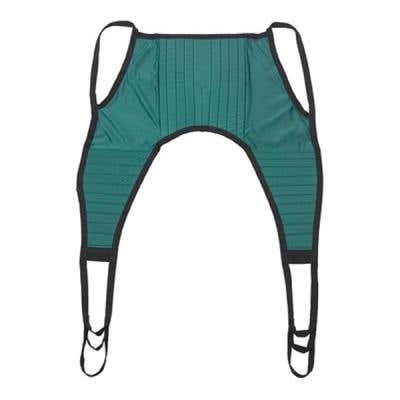
Using an overhead ceiling lift allows you to create a smooth transfer for the patient. Ceiling lifts are useful for transferring patients in and out of bed, into wheelchairs or chairs, and to the bathroom. Ceiling lifts operate with the use of a sling, which provides the patient with plenty of support and stability during the transfer.
Overhead ceiling lifts help to create transfers which are safe for both the patient and the caregiver.