

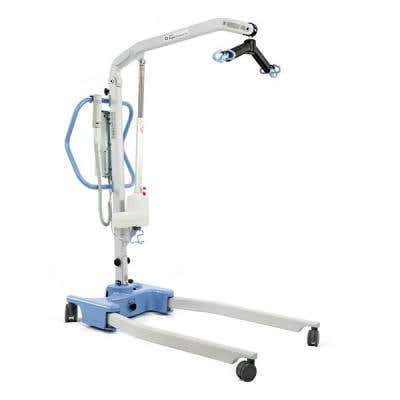
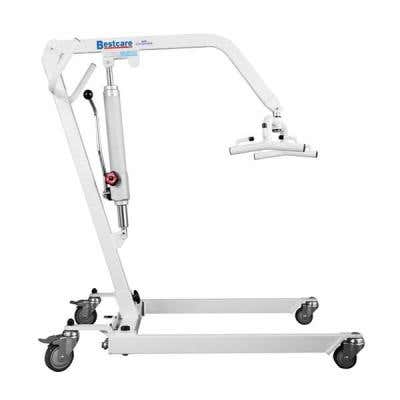

Manual Hydraulic Patient Lift
- Base opens with an easy hand lever
- 6-point cradle type
- Durable patient lift with an impressive weight capacity of 400 pounds and an economical price point

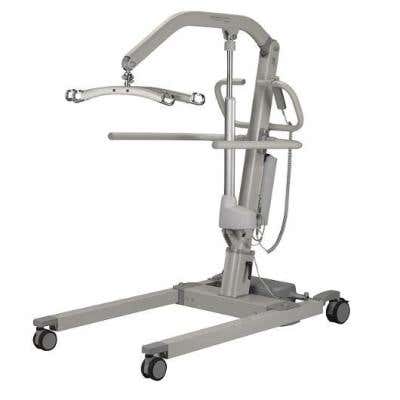
MedLift Power Lift
- Easy-to-use, battery-operated base spreader has fast actuator speeds for safe and efficient lifting
- Low-profile base legs slide easily under furniture
- Six-point cradle for maximum flexibility and safety

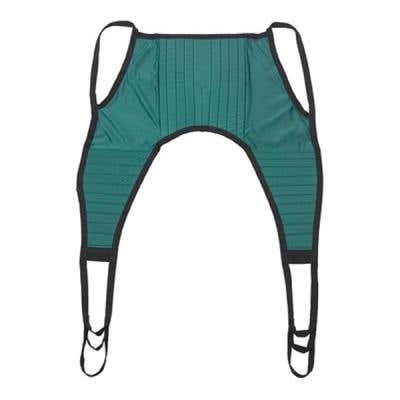
Milford Standard Buckled Sling
- Use with Milford Lift

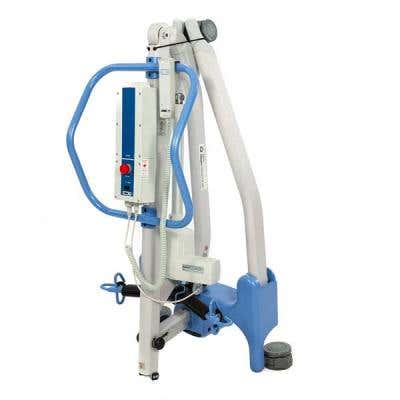
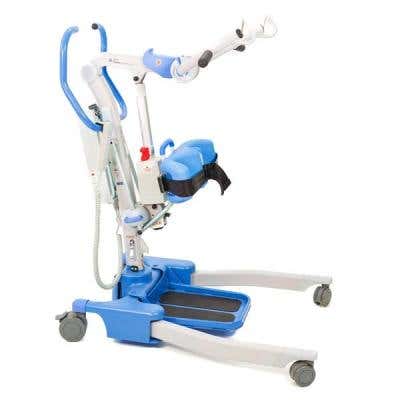
Powered Base Stand Assist Lift
- This sit to stand lift features fast actuator speeds for safe and efficient lifting
- Low profile base legs slide easily under furniture
- Easy-to-use, battery-operated base spreader

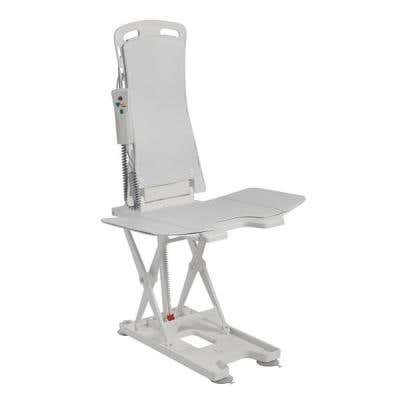
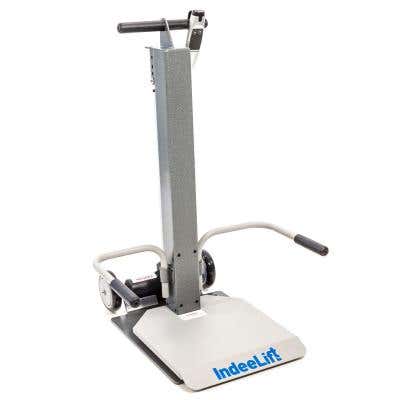
Raizer Mobile Lifting Chair
- Requires virtually no physical effort besides a supportive hand, which helps caregivers avoid serious injuries
- Assemble and use in four easy steps with minimal disruption to the patient
- Rechargeable battery provides up to 40 lifts at full weight capacity on one charge

Patient lifts are designed to make patient transfers safer. They're important tools in both home and professional care settings, and contribute to patient dignity, comfort, and safety.
Patient lifts are also important to caregiver safety. When transferring a patient manually, a caregiver must assume a large amount of the patient's weight. The caregiver is often put into unnatural positions simply due to logistics of the transfer, which further contributes to the risk of caregiver injury. Finally, the repetitive nature of caregiving and transferring patients means a high injury rate in caregivers. With back injuries being particularly common, the benefits of a patient lift cannot be overlooked.
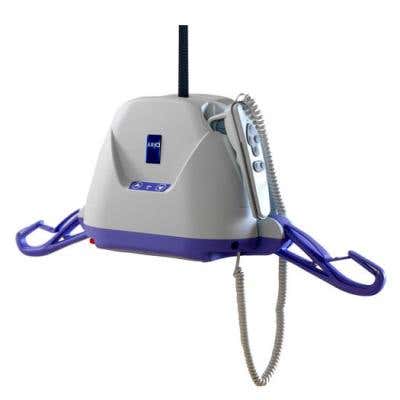
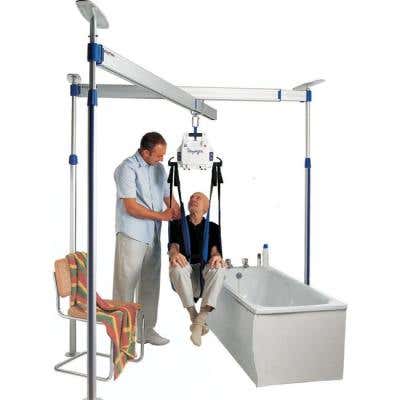
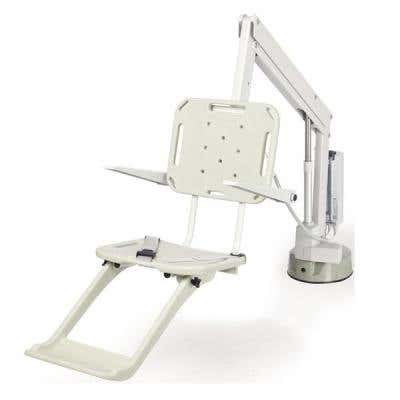
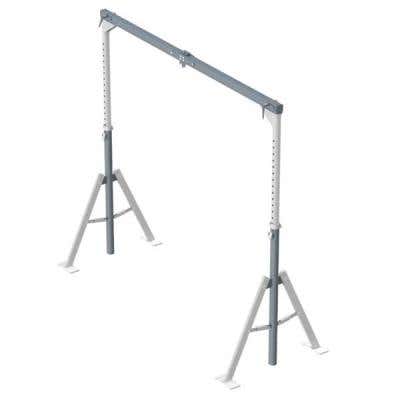
Lifts are designed to accommodate a wide range of demands and settings. Some lifts are portable and can be folded up for convenient storage. Others are designed to run on track systems installed in the ceiling overhead. Pool lifts and bath lifts provide specialized accommodations to make these particularly dangerous transfer settings safer. You will also find that some patient lifts include digital lift scales for multi-purpose use.
It's also important to consider that some lifts are powered, while others require manual control. Both powered and manual lifts make transfers easier for both the patient and the caregiver. Powered lifts take less physical effort on the caregiver's part, making them popular in professional care settings where caregivers must perform many patient transfers every day.
Most medical patient lifts operate in conjunction with a sling or harness, except for pool and bath lifts, which feature a seat. All lifts are designed to help support and stabilize the patient, but they must be used correctly in order to be safe.
Patient lift systems are a vital piece of equipment for many care settings. In hospitals, rehabilitation centers, retirement care centers, and even home care settings, patient lifts can improve the ease of caregiving and can help to make transfers easier, more comfortable, and safer for patients.