

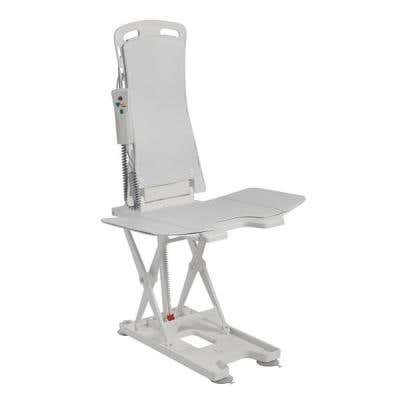
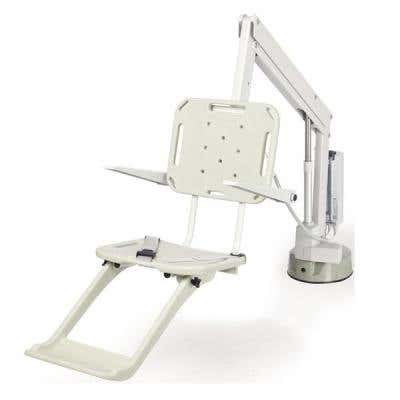

BathLyft Power Bath Lift
- High backrest, can be positioned and folded with one hand
- Reclines to 45° at lowest position
- Lowers to 3 inches

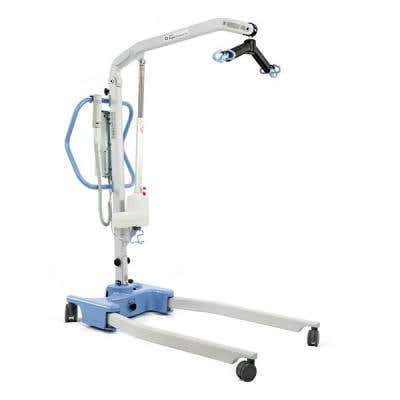
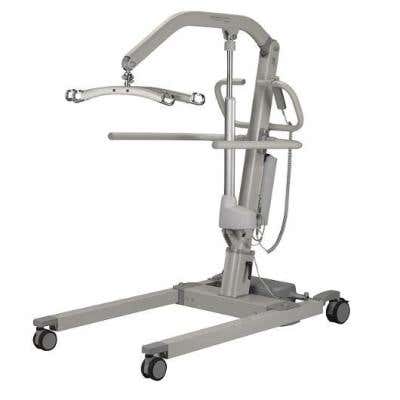
Reliant Plus 450
- Total pinch-point protection covers all moving parts for added safety
- Height range allows lifting from floor and high surfaces
- Optional powered base

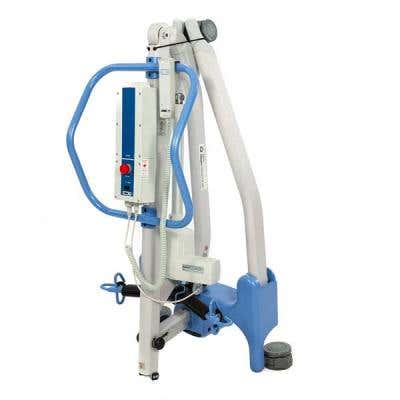
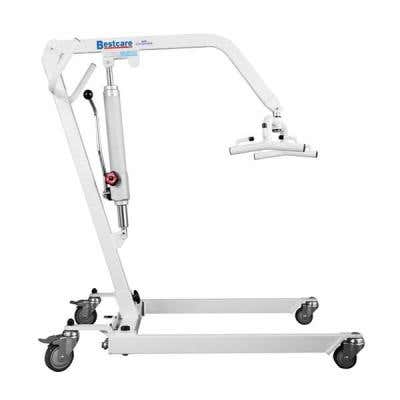
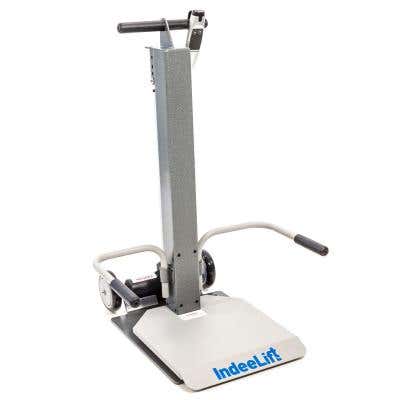
Reliant RPS350
- Base adjustments made manually
- Legs secure in three positions for comfortable use at any height
- Fast simple sling attachment

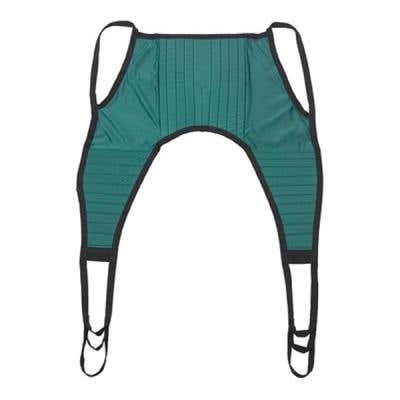
Universal Commode Sling
- Compatible with most patient lifts
- Breathable mesh material
- Multiple handles

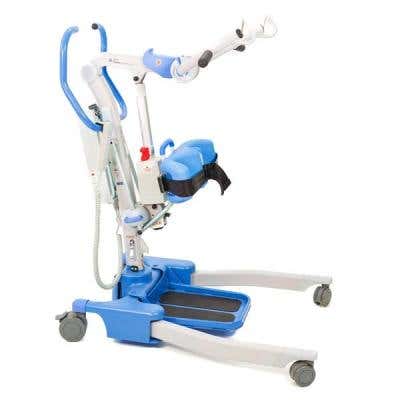
ISA Compact Stand-Up Lift
- Extendable lifting arm adjusts to nine different lengths to accommodate a variety of users
- Lower leg cushion provides six height positions with ErgoSupport swivel feature for added comfort
- Foot pedal base operation allows the use of body weight to widen the base and limit upper body strain
Patient lifts are designed to make patient transfers safer. They're important tools in both home and professional care settings, and contribute to patient dignity, comfort, and safety.
Patient lifts are also important to caregiver safety. When transferring a patient manually, a caregiver must assume a large amount of the patient's weight. The caregiver is often put into unnatural positions simply due to logistics of the transfer, which further contributes to the risk of caregiver injury. Finally, the repetitive nature of caregiving and transferring patients means a high injury rate in caregivers. With back injuries being particularly common, the benefits of a patient lift cannot be overlooked.
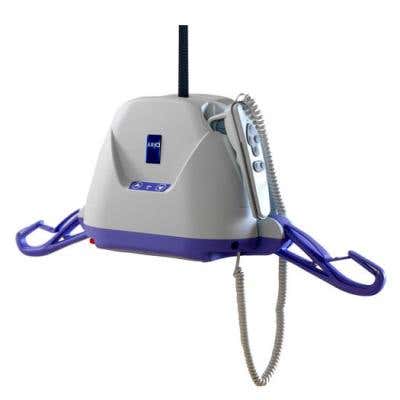
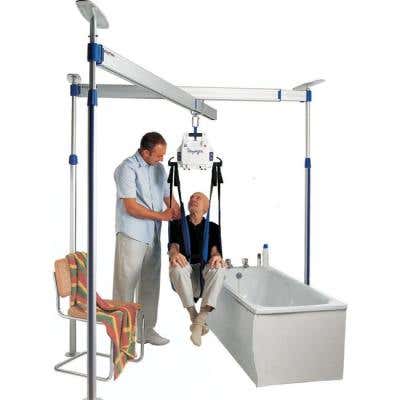
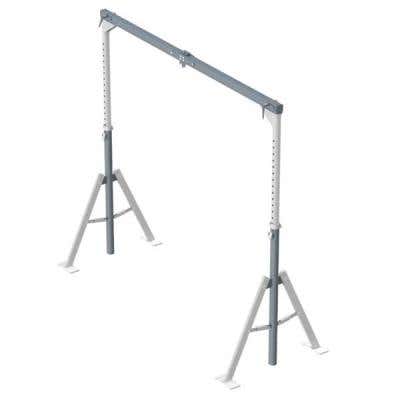
Lifts are designed to accommodate a wide range of demands and settings. Some lifts are portable and can be folded up for convenient storage. Others are designed to run on track systems installed in the ceiling overhead. Pool lifts and bath lifts provide specialized accommodations to make these particularly dangerous transfer settings safer. You will also find that some patient lifts include digital lift scales for multi-purpose use.
It's also important to consider that some lifts are powered, while others require manual control. Both powered and manual lifts make transfers easier for both the patient and the caregiver. Powered lifts take less physical effort on the caregiver's part, making them popular in professional care settings where caregivers must perform many patient transfers every day.
Most medical patient lifts operate in conjunction with a sling or harness, except for pool and bath lifts, which feature a seat. All lifts are designed to help support and stabilize the patient, but they must be used correctly in order to be safe.
Patient lift systems are a vital piece of equipment for many care settings. In hospitals, rehabilitation centers, retirement care centers, and even home care settings, patient lifts can improve the ease of caregiving and can help to make transfers easier, more comfortable, and safer for patients.