

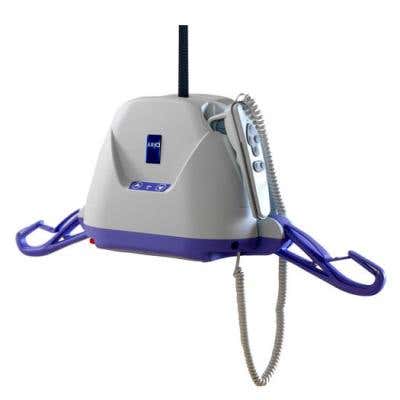
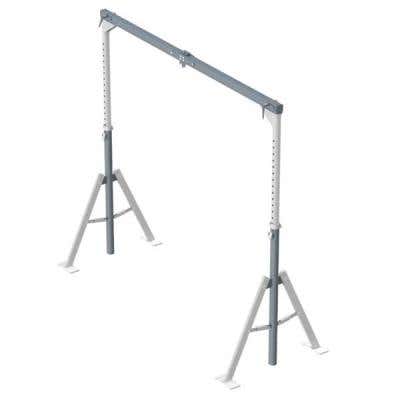

P-440 Portable Ceiling Lift
- Integral full-width carry bar with unique contoured shape
- On-board controls
- Safety mechanisms: over-speed governor, built-in safety limits, slack strap sensor and emergency lowering

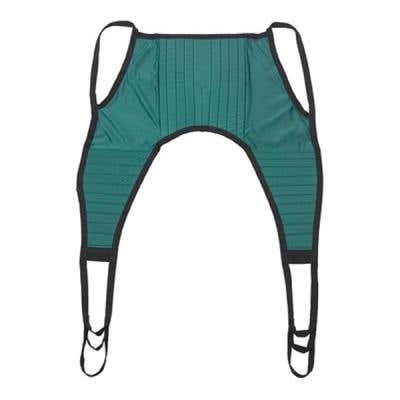
ThoraxSling
- Very comfortable and gives the user an added sense of security
- Facilitates toileting
- Alternative lift loops enable an upright posture, regardless the user’s height

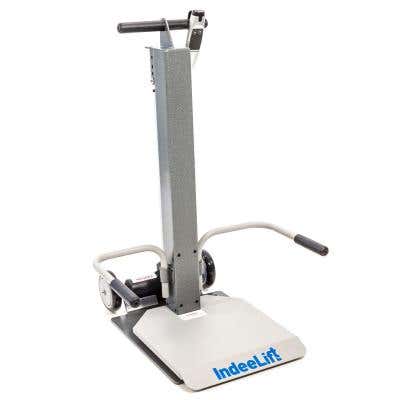
MiniLift 160
- Unique solution - extremely comfortable, active sit-to-stand with natural movement pattern
- Ergonomic and easy-to-use hand control with 2 (EM) or 4 (EE) buttons
- Soft, adjustable lower leg support

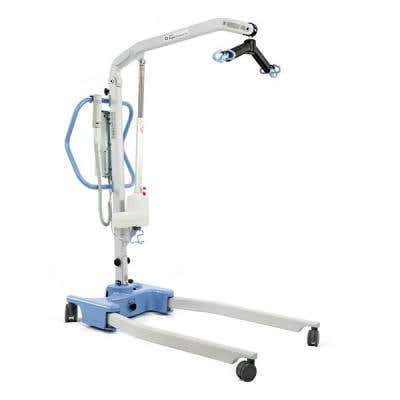
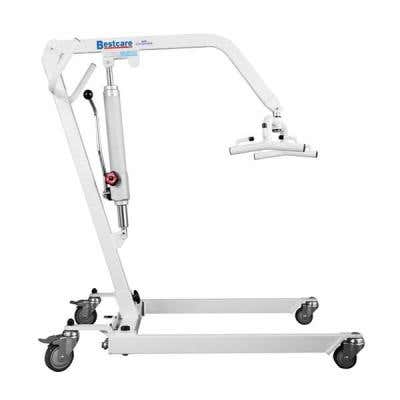
Manual Hydraulic Patient Lift
- Base opens with an easy hand lever
- 6-point cradle type
- Durable patient lift with an impressive weight capacity of 400 pounds and an economical price point

WalkingVest Gait Training Sling
- Easy for the caregiver to apply
- Designed for greater safety and security during gait training
- Provides good support in the groin and around the upper body

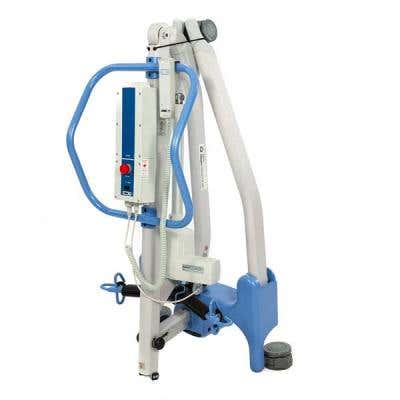
Carina 350 Portable
- Easy to set up and fold, without tools or loose parts
- Ergonomic and easy to maneuver, prevents work related injuries
- Emergency stop button readily available on the control box

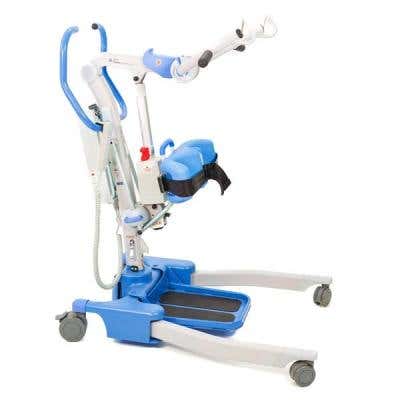
Reliant Plus 450
- Total pinch-point protection covers all moving parts for added safety
- Height range allows lifting from floor and high surfaces
- Optional powered base

HygieneSling
- Divided leg supports; easy for the caregiver to apply and remove, the user does not sit on the lifting sling
- Low back; the user is supported behind the back, up to the armpits and under the legs
- The user must have adequate muscular tonus

Reliant RPS350
- Base adjustments made manually
- Legs secure in three positions for comfortable use at any height
- Fast simple sling attachment
Patient lifts are designed to make patient transfers safer. They're important tools in both home and professional care settings, and contribute to patient dignity, comfort, and safety.
Patient lifts are also important to caregiver safety. When transferring a patient manually, a caregiver must assume a large amount of the patient's weight. The caregiver is often put into unnatural positions simply due to logistics of the transfer, which further contributes to the risk of caregiver injury. Finally, the repetitive nature of caregiving and transferring patients means a high injury rate in caregivers. With back injuries being particularly common, the benefits of a patient lift cannot be overlooked.
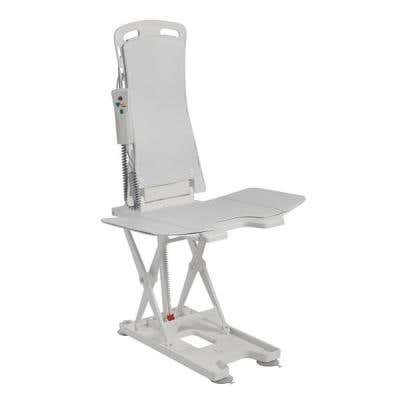
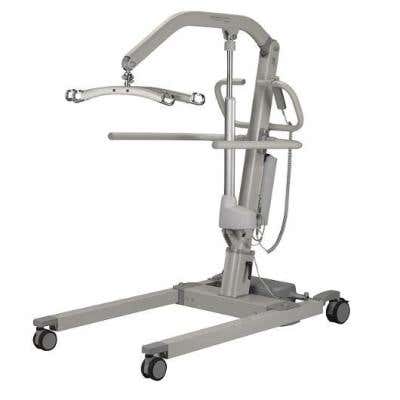
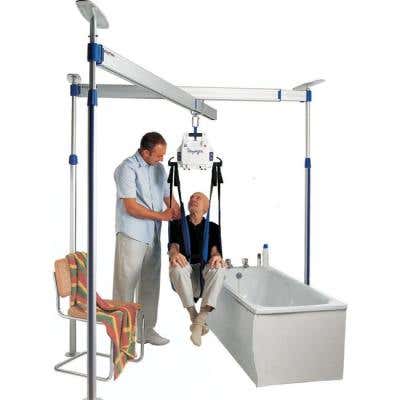
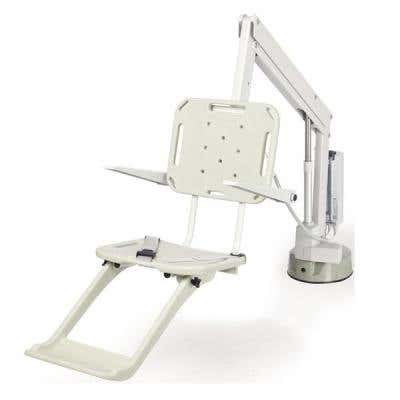
Lifts are designed to accommodate a wide range of demands and settings. Some lifts are portable and can be folded up for convenient storage. Others are designed to run on track systems installed in the ceiling overhead. Pool lifts and bath lifts provide specialized accommodations to make these particularly dangerous transfer settings safer. You will also find that some patient lifts include digital lift scales for multi-purpose use.
It's also important to consider that some lifts are powered, while others require manual control. Both powered and manual lifts make transfers easier for both the patient and the caregiver. Powered lifts take less physical effort on the caregiver's part, making them popular in professional care settings where caregivers must perform many patient transfers every day.
Most medical patient lifts operate in conjunction with a sling or harness, except for pool and bath lifts, which feature a seat. All lifts are designed to help support and stabilize the patient, but they must be used correctly in order to be safe.
Patient lift systems are a vital piece of equipment for many care settings. In hospitals, rehabilitation centers, retirement care centers, and even home care settings, patient lifts can improve the ease of caregiving and can help to make transfers easier, more comfortable, and safer for patients.