


Ranger 2 Pool Lift
- Dual flip-up arms and adjustable lap belt
- Adjustable and removable footrests
- Water resistant handset

Scout 2
- 375 lb (170 kg) weight capacity*
- Flip-up armrests
- Water resistant handset

Ambassador
- 300 lbs (136 kg) weight capacity
- Adjustable lap belt
- Rechargeable battery with wall mount charger

Portable Pro 2
- All stainless steel construction
- Flip-up armrests
- Adjustable footrest & lap belt

Scout Excel Pool Lift
- Whisper quiet 360 degree rotation
- Adjustable seat pole
- Flip up armrests

Mighty Voyager Lift
- Whisper quiet 255-degree rotation
- Flip up armrests
- All stainless steel construction

Mighty Lift
- 360 degree rotation
- Direct drive rotation
- Flip-up armrests

Titan 600 Pool Lift
- 601 lbs (272 kg) weight capacity
- Water resistant push-button remote control
- Rechargeable battery with wall mount charger

Revolution Pool Lift
- 500 lbs (226 kg) weight capacity
- All stainless steel construction
- Flip-up armrests
Related Searches
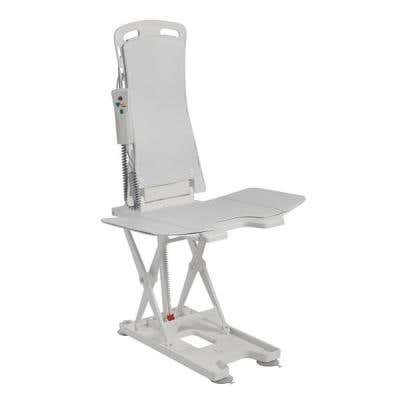
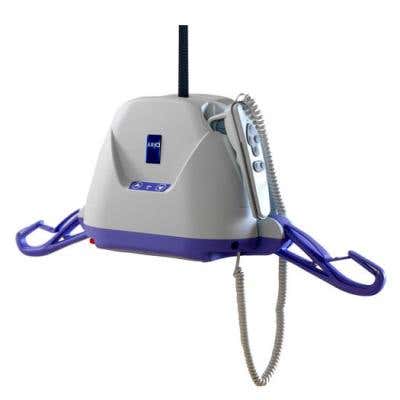
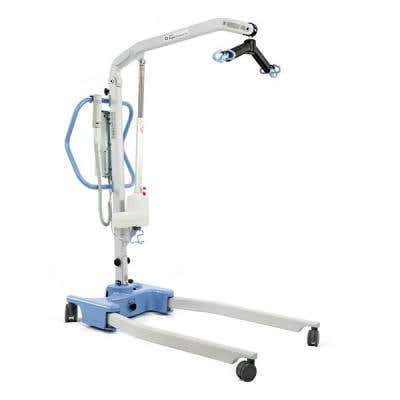
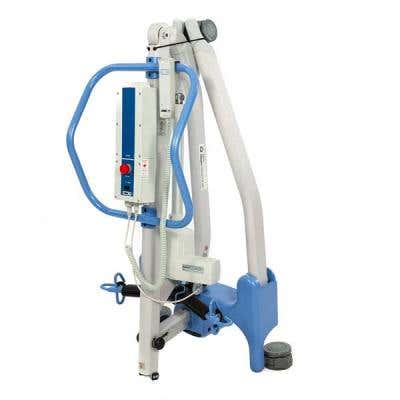
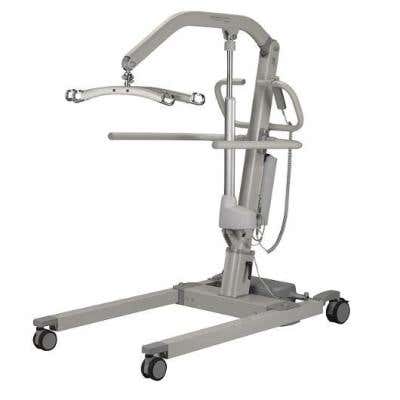
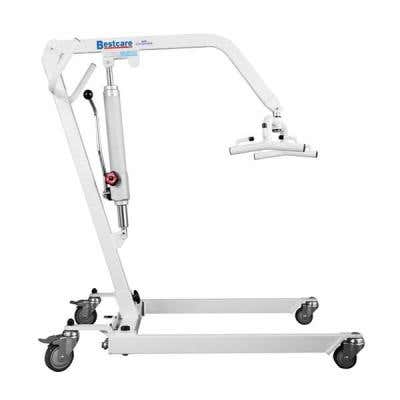
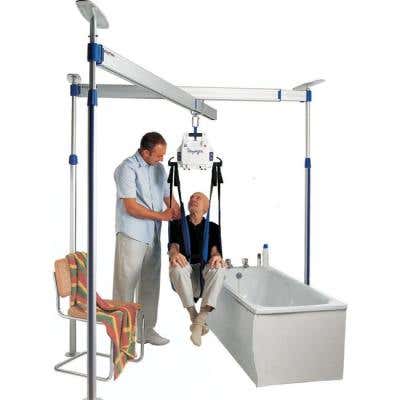
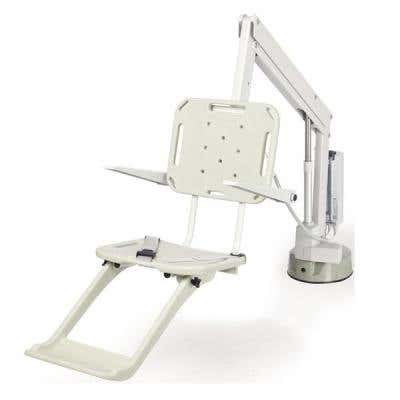
Hydrotherapy is a highly beneficial therapy for all humans, but it's particularly helpful for the elderly and those who are recovering from an injury or condition. Transferring patients with limited strength and mobility can be a dangerous task, but it's even more dangerous and difficult when that transfer takes place in a pool. Additionally, if you are unable to negotiate stairs or ladders but still wish to enjoy your own pool at home, you will need an alternative method of entering the pool.
Pool lifts are absolutely essential for safe patient transfers into and out of the pool. Pool lifts are designed to safely and fully support the patient during the transfer, lifting them clear of the pool's edge and placing them directly into the water. Using a pool lift reduces the physical requirements of the caregiver and can make for a smoother, more comfortable transfer for everyone involved.
You will find that pool lifts are available in both powered and manual forms. Manual pool lifts use a sling for the transfer, reducing the weight and bulk of the lift. When using a manual pool lift, the caregiver operates a hydraulic control to raise and lower the lift into and out of the pool.
Powered pool lifts, on the other hand, feature a chair design which allows the patient to sit and buckle themselves into the chair. Powered lifts generally include a water-resistant hand-held control, and some patients may be able to operate the lift on their own. While powered lifts generally cost more than manual pool lifts, the investment may be worthwhile, especially if you are looking for a lift to restore your independence when it comes to swimming.
Because pool lifts are exposed to the elements, they are often built with stainless steel and are powder coated for increased protection against rust. Seats are made of durable plastics, and the lifts themselves are built to be durable and long-lasting.