

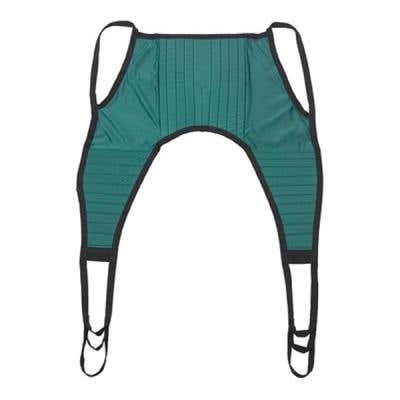

Pediatric Full Body Mesh Sling
- Universal sling
- For bed to chair and chair to commode transfers as well as floor pick-ups
- Made for 2 pt and 4 pt spreader bars

HighBackSling
- Divided leg supports; easy for the caregiver to apply and remove, the user does not sit on the lifting sling
- High back; the user is supported from the tailbone up over the head and under the legs
- Removable plastic stays give the head support extra stability

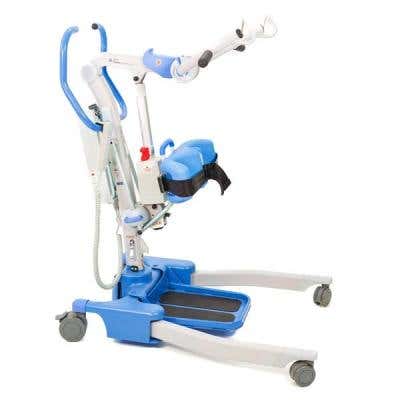
Sabina II Combo Lift
- Full body lift & sit-to-stand lift
- Hand Control with two speeds
- Exchangeable sling bars

Molift EvoSling Shadow HighBack
- The label can be folded away if needed
- Follows the contours of the body
- This model has no pockets or padding and has an extra-thin webbing edge

Deluxe Standing Sling
- Designed for comfort AND safety
- Manufactured to the highest global standards, EN ISO 10535 and CE marked
- General purpose offering as well as special purpose designs

Padded U-Sling with Split Leg
- Six loops for increased stability and comfort
- Recommended for bed to chair and chair to commode transfers as well as floor pick-ups
- Comfortable padded polyester material

Sara Plus Transfer/Walking Sling
- Available multiple sizes
- Use with Sara Plus

Raiser Lifting Cushion + Airflo 12
- The Raiser is small so can easily be stored away when not in use, or can be used while travelling
- Powered by the Mangar Health Airflo 12 battery powered compressor
- Inflates and deflates at the push of a button

Patient lifts are designed to make patient transfers safer. They're important tools in both home and professional care settings, and contribute to patient dignity, comfort, and safety.
Patient lifts are also important to caregiver safety. When transferring a patient manually, a caregiver must assume a large amount of the patient's weight. The caregiver is often put into unnatural positions simply due to logistics of the transfer, which further contributes to the risk of caregiver injury. Finally, the repetitive nature of caregiving and transferring patients means a high injury rate in caregivers. With back injuries being particularly common, the benefits of a patient lift cannot be overlooked.
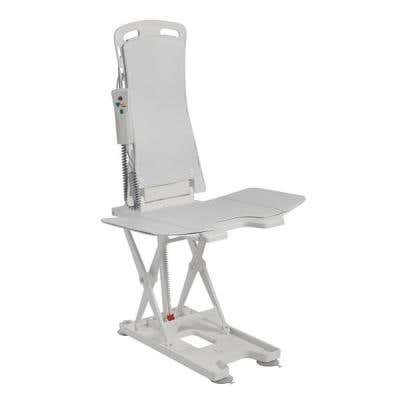
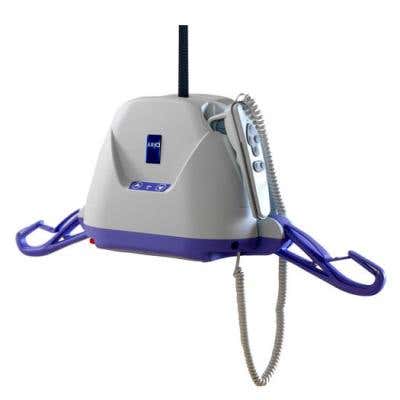
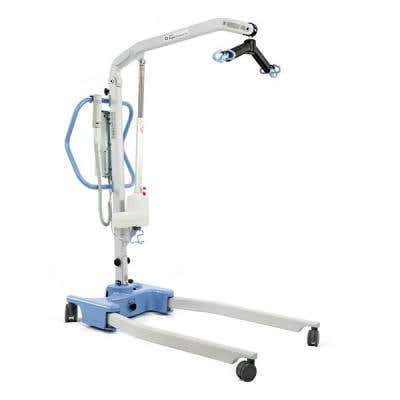
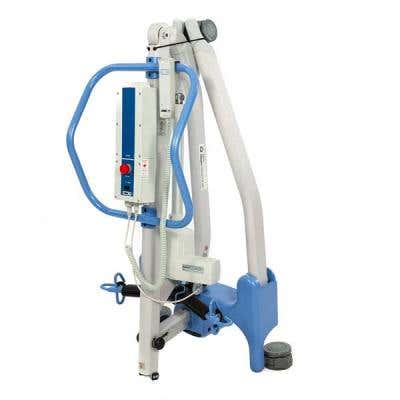
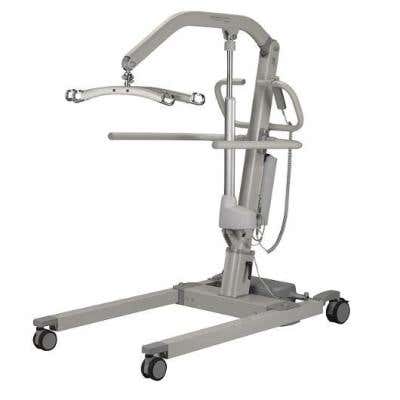
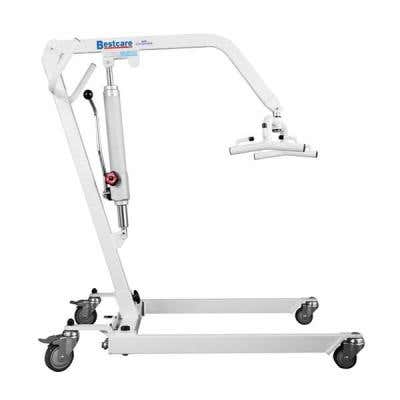
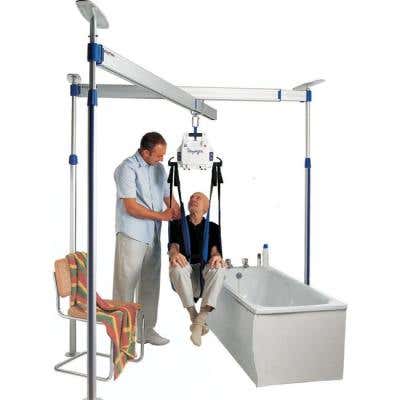
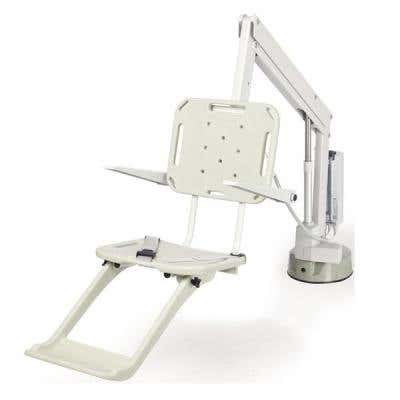
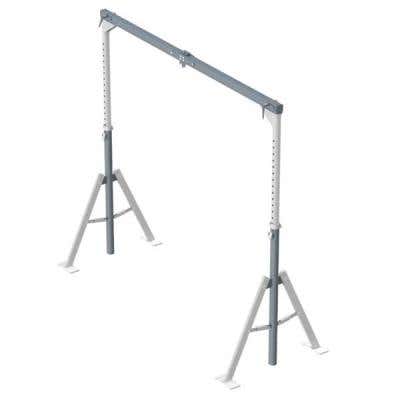
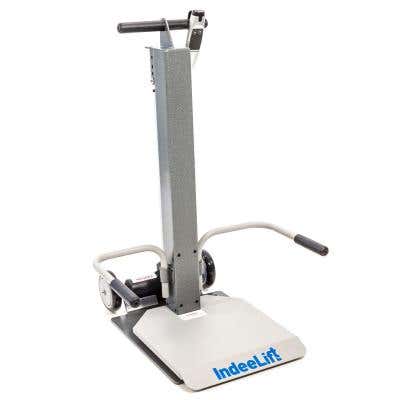
Lifts are designed to accommodate a wide range of demands and settings. Some lifts are portable and can be folded up for convenient storage. Others are designed to run on track systems installed in the ceiling overhead. Pool lifts and bath lifts provide specialized accommodations to make these particularly dangerous transfer settings safer. You will also find that some patient lifts include digital lift scales for multi-purpose use.
It's also important to consider that some lifts are powered, while others require manual control. Both powered and manual lifts make transfers easier for both the patient and the caregiver. Powered lifts take less physical effort on the caregiver's part, making them popular in professional care settings where caregivers must perform many patient transfers every day.
Most medical patient lifts operate in conjunction with a sling or harness, except for pool and bath lifts, which feature a seat. All lifts are designed to help support and stabilize the patient, but they must be used correctly in order to be safe.
Patient lift systems are a vital piece of equipment for many care settings. In hospitals, rehabilitation centers, retirement care centers, and even home care settings, patient lifts can improve the ease of caregiving and can help to make transfers easier, more comfortable, and safer for patients.