

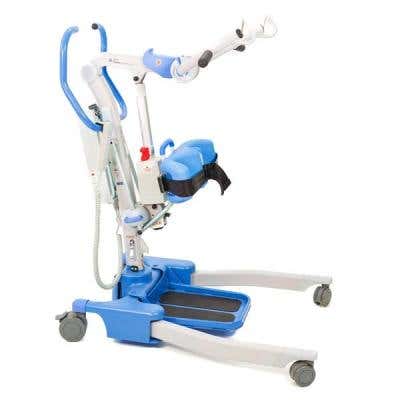

Spryte Stand Aid HD
- Padded seat for safe transports
- Dual kneepads for secure transports
- Patient needs strength and stability

Molift Smart 150
- Large lifting span that allows lifting from the floor as well as high surfaces
- Folds and unfolds easily without using any tools and can be separated into two parts
- Standard 4-point suspension ensures comfortable and more spacious lifting position for the user

Reliant RPS350
- Base adjustments made manually
- Legs secure in three positions for comfortable use at any height
- Fast simple sling attachment

Viking Patient Lift
- Lifts patient directly from the floor
- High strength aluminum
- Includes instructional DVD

Power 700 HD
- 700 lb. weight capacity - the highest available
- Long, padded handles offer a plethora of grip choices
- Extended reach for floor pick-up

Sabina II Combo Lift
- Full body lift & sit-to-stand lift
- Hand Control with two speeds
- Exchangeable sling bars

MedLift Power Lift
- Easy-to-use, battery-operated base spreader has fast actuator speeds for safe and efficient lifting
- Low-profile base legs slide easily under furniture
- Six-point cradle for maximum flexibility and safety

LEVANTAR Floor Lift
- Smart & Safety Technology – LCD display
- Visual battery fuel indicator on Hand Pendant and Lift Control Module
- NEW Six-point cradle with spring clips offer a more secure and wider foot print reducing sling squeeze, shallow height offers greater height rang

Powered Resident Lift
- Outstanding Effective Lifting Range (ELR) of 20" ‐ 76"
- Smart Monitor technology drives user compliance and lift longevity
- Available in Powered Base or foot-operated Manual Base
Patient lifts are designed to make patient transfers safer. They're important tools in both home and professional care settings, and contribute to patient dignity, comfort, and safety.
Patient lifts are also important to caregiver safety. When transferring a patient manually, a caregiver must assume a large amount of the patient's weight. The caregiver is often put into unnatural positions simply due to logistics of the transfer, which further contributes to the risk of caregiver injury. Finally, the repetitive nature of caregiving and transferring patients means a high injury rate in caregivers. With back injuries being particularly common, the benefits of a patient lift cannot be overlooked.
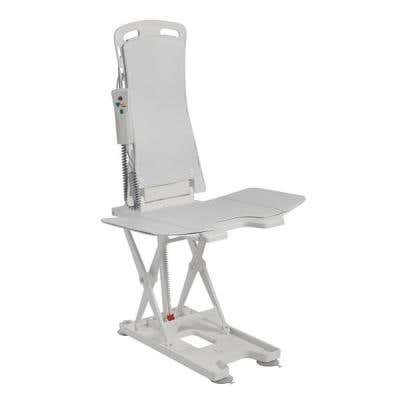
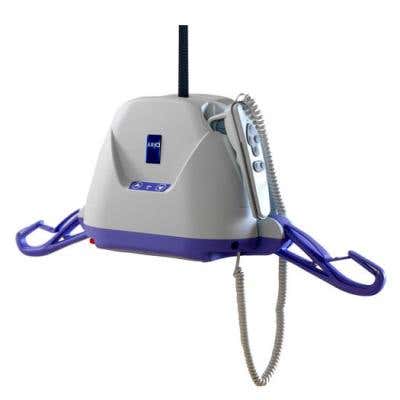
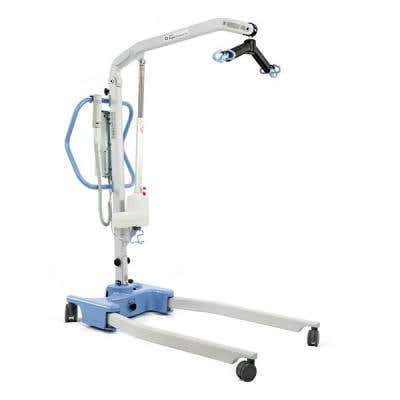
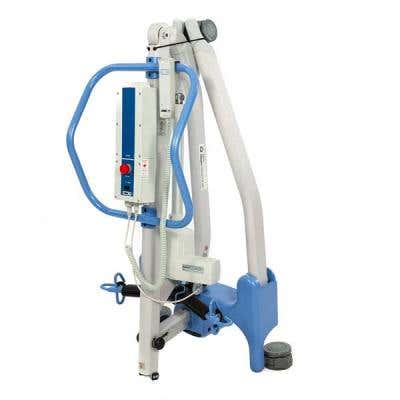
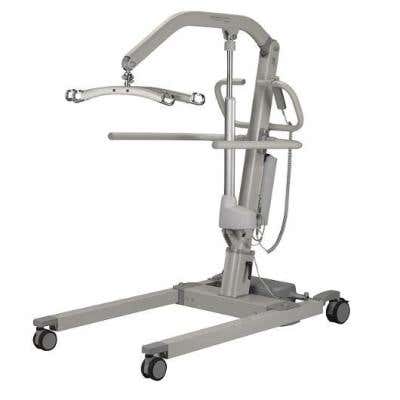
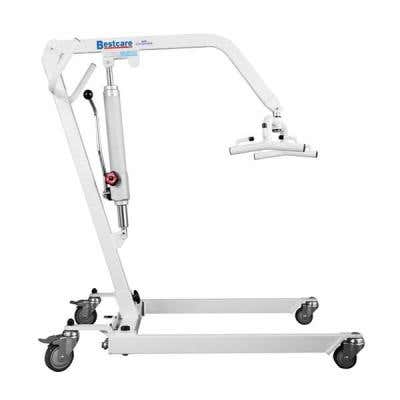
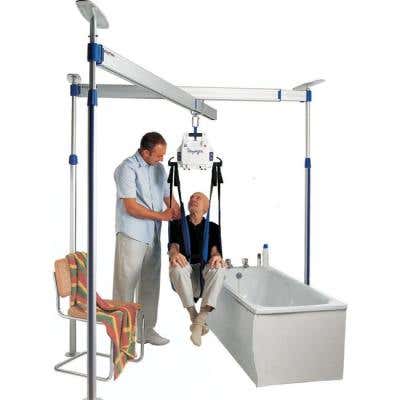
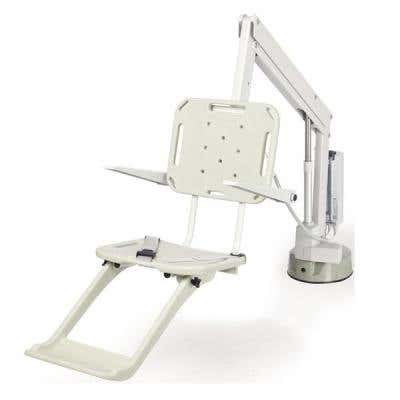
Lifts are designed to accommodate a wide range of demands and settings. Some lifts are portable and can be folded up for convenient storage. Others are designed to run on track systems installed in the ceiling overhead. Pool lifts and bath lifts provide specialized accommodations to make these particularly dangerous transfer settings safer. You will also find that some patient lifts include digital lift scales for multi-purpose use.
It's also important to consider that some lifts are powered, while others require manual control. Both powered and manual lifts make transfers easier for both the patient and the caregiver. Powered lifts take less physical effort on the caregiver's part, making them popular in professional care settings where caregivers must perform many patient transfers every day.
Most medical patient lifts operate in conjunction with a sling or harness, except for pool and bath lifts, which feature a seat. All lifts are designed to help support and stabilize the patient, but they must be used correctly in order to be safe.
Patient lift systems are a vital piece of equipment for many care settings. In hospitals, rehabilitation centers, retirement care centers, and even home care settings, patient lifts can improve the ease of caregiving and can help to make transfers easier, more comfortable, and safer for patients.